


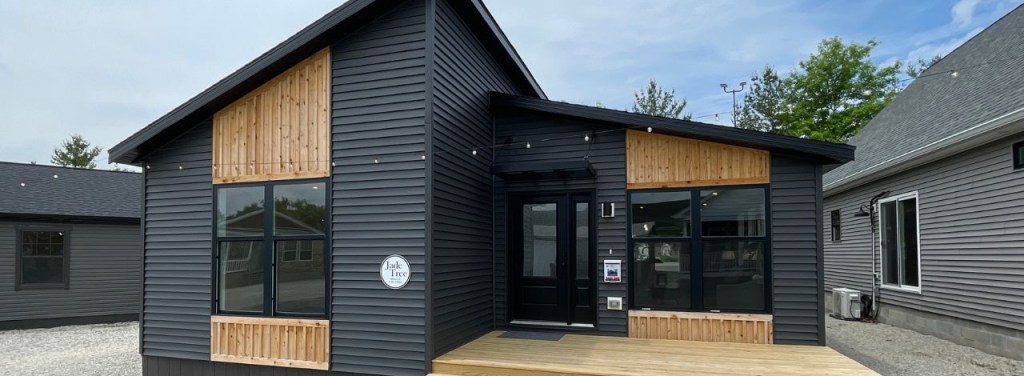
In the realm of interior and exterior design, the right materials can make all the difference. Whether you’re revamping your home, office, or commercial space, finding the perfect balance between aesthetics, functionality, and durability is key. Enter PU metal siding panels or PU foam decoration wall panels – an innovative solution revolutionizing the way we approach interior and exterior design.

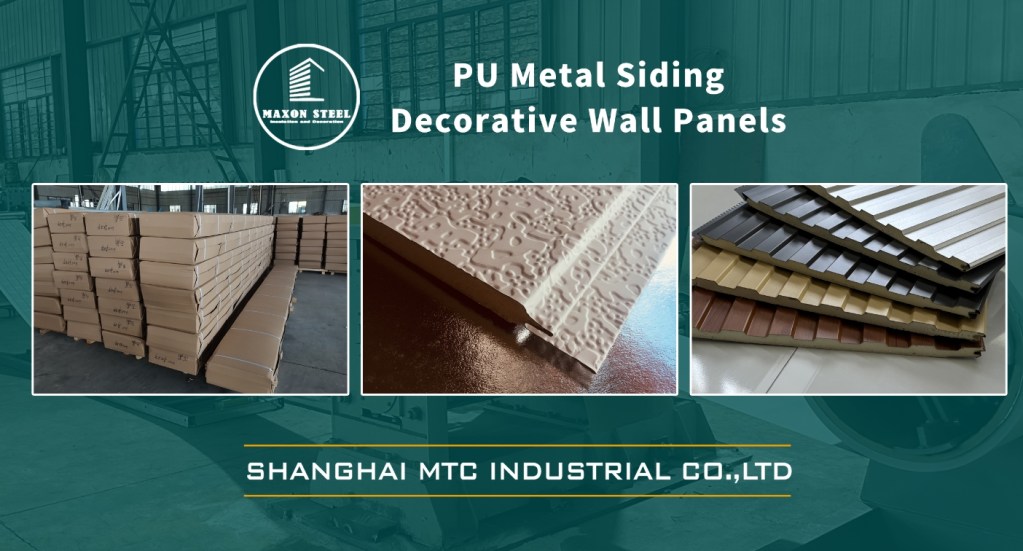
Table of Contents
Understanding PU Metal Siding Panels
PU metal siding panels, also known as polyurethane metal siding panels, are composite building materials that combine a metal outer layer with a polyurethane (PU) foam core. This innovative construction provides several advantages over traditional siding materials. This fusion results in a high-performance material that offers unmatched durability, insulation, and aesthetic appeal. These panels are engineered to withstand harsh weather conditions, making them an ideal choice for both residential and commercial applications.
Benefits of PU Foam Decoration Wall Panels


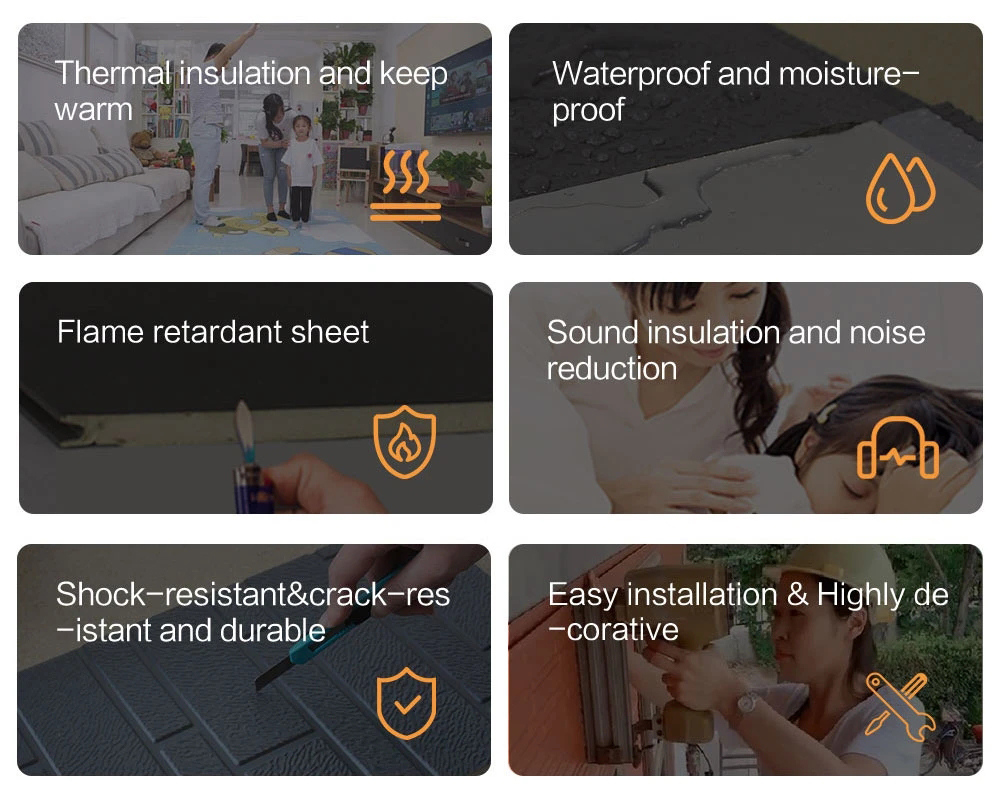
- Durability: PU metal siding panels are engineered to withstand harsh weather conditions, including heavy rain, extreme temperatures, and UV exposure. The metal outer layer provides robust protection against impact and corrosion, ensuring long-term durability and structural integrity.
- Insulation: One of the key advantages of PU metal siding panels is their excellent thermal insulation properties. The polyurethane foam core acts as a barrier against heat transfer, helping to regulate indoor temperatures and reduce energy consumption. This can lead to significant cost savings on heating and cooling bills.
- Versatility: PU foam decorative wall panels are available in a variety of colors, finishes, and profiles, allowing for customization to suit any architectural style or design preference. Whether you prefer the look of traditional lap siding, modern vertical panels, or textured finishes, there’s a PU metal siding option to match your vision.
- Ease of Installation: Compared to traditional siding materials like wood or brick, PU metal siding panels are lightweight and easy to install. They can be quickly and efficiently mounted onto the exterior of a building using simple tools and techniques, saving time and labor costs during the construction process.
- Low Maintenance: Once installed, PU metal siding panels require minimal maintenance to keep them looking their best. Unlike wood siding, which may need regular painting or sealing, PU metal panels are resistant to fading, warping, and rotting, making them a hassle-free option for busy homeowners and property managers.
Installation Process of PU Metal Siding Wall Panel:
- Preparation: Begin by preparing the exterior surface of the building, ensuring it is clean, smooth, and free from any debris or contaminants.
- Measurement and Cutting: Measure the dimensions of the area to be covered and cut the PU metal siding panels to size using a saw or specialized cutting tool.
- Attachment: Secure the panels to the wall using appropriate fasteners, such as screws or nails, ensuring they are properly aligned and spaced according to manufacturer guidelines.
- Sealing: Apply sealant or caulking around the edges and seams of the panels to prevent water infiltration and ensure a weather-tight seal.
- Finishing Touches: Complete the installation by adding any trim pieces or accessories as needed to achieve a polished and professional-looking finish.
Maintenance Tips of Metal Siding Decorative Wall Panels:

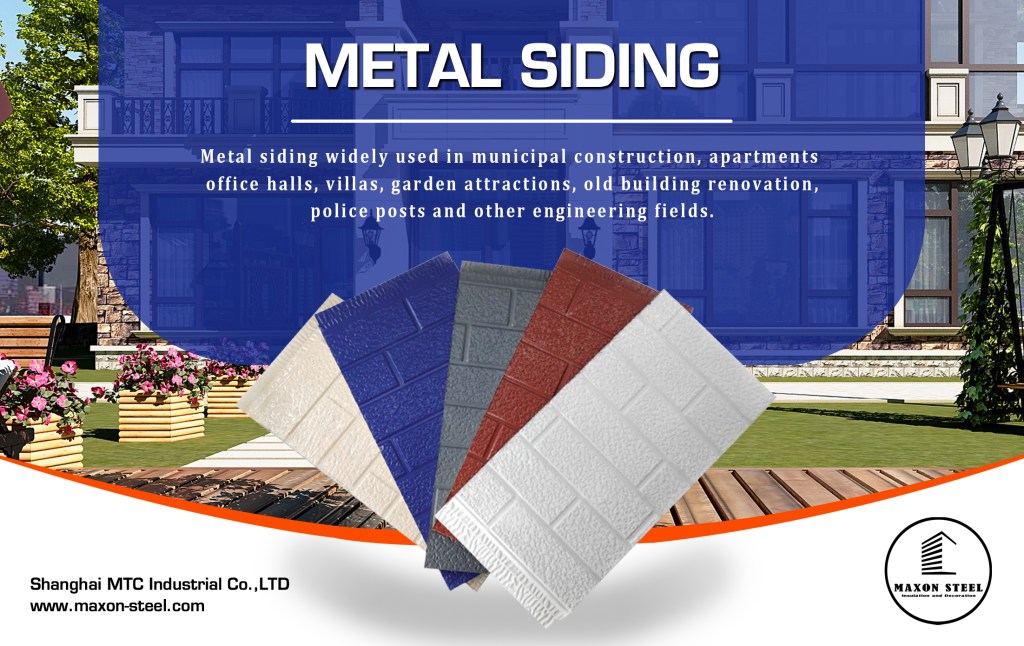
- Regular Cleaning: Periodically wash the surface of the PU metal siding decorative wall panels with mild soap and water to remove dirt, grime, and pollutants that can accumulate over time.
- Inspection: Inspect the panels for signs of damage, such as dents, scratches, or corrosion, and address any issues promptly to prevent further deterioration.
- Repairs: If any panels become damaged or loose, repair or replace them as needed to maintain the integrity of the siding system and prevent water intrusion.
- Painting or Refinishing: While PU metal siding panels are available in a variety of factory-applied finishes, they can also be painted or refinished if desired to change the color or refresh the appearance of the exterior.
PU metal siding panels offer a versatile, durable, and energy-efficient solution for enhancing the exterior of residential, commercial, and industrial buildings. With their superior insulation properties, aesthetic versatility, and low maintenance requirements, PU metal panels are an excellent choice for homeowners, architects, and contractors looking to achieve both style and performance in their construction projects. Whether you’re building a new home or renovating an existing structure, consider the many benefits of PU metal siding panels for your next exterior cladding project.

Specifications of Decorative PU Wall Sandwich Panels
Decorative PU wall sandwich panels represent a revolutionary approach to modern construction, combining aesthetics with practicality. These panels boast a range of specifications that make them an attractive choice for a variety of applications:
1. Core Material: At the heart of decorative PU wall sandwich panels lies a core material made of polyurethane foam. This material is prized for its exceptional thermal insulation properties, helping to maintain comfortable indoor temperatures while reducing energy consumption. Additionally, polyurethane foam provides sound insulation, minimizing noise transmission and creating quieter indoor environments.
2. Exterior Finish: The exterior surface of decorative PU wall sandwich panels is adorned with a variety of finishes, ranging from sleek metallic coatings to textured patterns and vibrant colors. This versatility allows architects and designers to achieve their desired aesthetic vision, whether it be modern and minimalist or ornate and intricate.
3. Panel Dimensions: Decorative PU wall sandwich panels come in a range of dimensions to suit different project requirements. Standard panel widths are 383mm and 450mm, with lengths customizable to fit specific building dimensions. The thickness of the panels can vary as well, with options typically ranging from 10mm to 25mm, providing flexibility in insulation and structural performance.
4. Lightweight Construction: Despite their robust insulation properties, decorative PU wall sandwich panels are remarkably lightweight. This characteristic facilitates easy handling and installation, reducing labor costs and construction time. The lightweight nature of the panels also places less stress on building structures, making them suitable for both new construction and retrofit projects.
5. Fire Resistance and Durability: Decorative PU wall sandwich panels are engineered to meet stringent fire safety standards, ensuring the protection of occupants and assets. Additionally, these panels are highly durable, capable of withstanding environmental factors such as moisture, UV exposure, and temperature fluctuations. This durability contributes to the longevity of buildings and reduces maintenance requirements over time.
In summary, decorative PU wall sandwich panels offer a combination of thermal insulation, aesthetic appeal, ease of installation, and durability, making them a versatile choice for a wide range of construction projects across residential, commercial, and industrial sectors.