

Decorative PU Insulated Wall Panels: Multifunctional Solutions for Modern Construction
In the realm of modern construction materials, Decorative PU insulated wall panels have emerged as a versatile and highly efficient solution, offering a unique combination of thermal insulation, acoustic performance, and aesthetic appeal. These panels, alson known as IND panels are widely used in both interior and exterior applications, including walls and ceilings, making them a popular choice for various commercial, industrial, and residential projects.
Table of Contents

What Are Decorative PU Insulated Wall Panels?
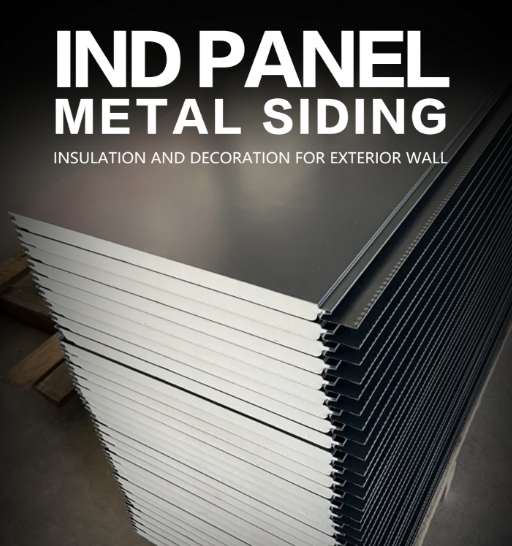
A typical PU insulated wall panel consists of three primary layers:
- Surface material: Pre-painted zinc-aluminum steel (commonly AZ100 prepainted steel), which can be embossed or roll-formed into various decorative styles.
- Core material: Rigid polyurethane (PU) foam, known for its excellent insulating properties.
- Back material: Aluminum foil paper, which adds to the structural stability and acts as a vapor barrier.
These panels are available in standard sizes such as 400mm width with 16mm thickness, 435mm width with 14mm thickness, and 450mm width with 10mm thickness, offering flexibility depending on specific project requirements.
Advantages of PU Wall Sandwich Panel
1. Exceptional Thermal Insulation
The rigid polyurethane core is the standout feature that makes PU panels highly effective for thermal insulation. PU foam has a very low thermal conductivity, which significantly reduces heat transfer through walls and ceilings. This results in improved energy efficiency for buildings, lowering heating and cooling costs while maintaining comfortable indoor temperatures.
2. Acoustic Insulation
Besides thermal benefits, PU panels also offer sound insulation. The dense polyurethane foam helps absorb and dampen sound waves, reducing noise pollution and enhancing acoustic comfort inside buildings. This makes PU wall sandwich panels ideal for environments such as offices, hospitals, schools, and factories where noise control is critical.
3. Lightweight yet Durable
PU metal siding panels combine the lightweight nature of polyurethane foam with the strength and durability of the metal facings. The pre-painted zinc-aluminum steel surface offers excellent corrosion resistance, making the panels suitable for various climatic conditions. Their robustness ensures long service life with minimal maintenance.
4. Versatile Decorative Options
The surface steel sheet can be embossed or roll-formed to mimic different decorative styles, providing aesthetic flexibility. Whether the requirement is for a smooth, textured, or patterned finish, these panels can enhance the visual appeal of both interior and exterior walls and ceilings.
5. Easy Installation and Cost Efficiency
PU insulated wall panels typically feature tongue-and-groove or male-and-female interlocking systems, facilitating quick and secure installation. Their prefabricated nature reduces onsite labor and construction time, resulting in cost savings.
6. Multifunctional Use
The panels serve multiple functions simultaneously: heat insulation, sound insulation, and decorative wall or ceiling covering. This multifunctionality makes them an all-in-one solution for modern building envelopes.
Applications of Thermal Insulated Wall Panels

PU insulated wall panels are highly adaptable and find applications in numerous sectors:
- Commercial and Industrial Buildings: Warehouses, cold storage facilities, factories, and logistics centers benefit from the panels’ thermal and acoustic insulation.
- Residential Construction: Used for both interior partitions and exterior cladding to enhance energy efficiency and indoor comfort.
- Clean Rooms and Healthcare: The panels’ hygienic surface and insulating properties make them suitable for hospitals, laboratories, and pharmaceutical plants.
- Agriculture: Livestock buildings and storage units utilize PU panels for their insulating capabilities and ease of cleaning.
- Public Infrastructure: Schools, offices, airports, and sports facilities use these panels for their durability and multifunctionality.
Development and Future Trends
With increasing global emphasis on energy efficiency and sustainable building practices, thermal insulated wall panels like PU panels are gaining wider adoption. Innovations in PU foam chemistry continue to improve thermal performance, fire resistance, and environmental friendliness. Meanwhile, advancements in surface coatings enhance weather resistance and decorative options.
Future trends point towards more eco-friendly and recyclable PU panels, integration with smart building systems, and customized solutions to meet stricter insulation standards and architectural demands.
How PU Insulated Wall Panels Compare to Other Building Materials
Compared to traditional building materials such as brick, concrete, or gypsum board, Thermal insulated wall panels offer several distinct advantages:
- Higher Thermal Efficiency: PU foam outperforms mineral wool or fiberglass insulation by offering lower thermal conductivity in thinner profiles.
- Faster Installation: Prefabricated panel systems reduce construction time compared to masonry or conventional cladding.
- Weight Reduction: Being lightweight reduces structural load and foundation requirements.
- Better Acoustic Performance: The closed-cell PU core provides superior sound absorption compared to hollow or dense materials.
- Aesthetic Versatility: Metal siding panels allow a variety of surface treatments and colors, which is harder to achieve with natural materials.
- Low Maintenance: Pre-painted zinc-aluminum steel surfaces resist corrosion and fading, unlike wood or untreated metals.
Conclusion
PU metal Siding panels are revolutionizing building envelopes by combining efficient thermal and acoustic insulation with aesthetic and practical versatility. Their multifunctional characteristics, lightweight construction, and ease of installation make them a preferred choice for a wide range of applications, from industrial facilities to residential complexes.
With ongoing technological advancements and a growing focus on energy-saving construction methods, the future of PU wall sandwich panels looks promising. Architects, engineers, and builders increasingly rely on these panels to meet modern performance standards while delivering durable and attractive building solutions.
Specifications of Decorative PU Wall Sandwich Panels
Decorative PU wall sandwich panels represent a revolutionary approach to modern construction, combining aesthetics with practicality. These panels boast a range of specifications that make them an attractive choice for a variety of applications:
1. Core Material: At the heart of decorative PU wall sandwich panels lies a core material made of polyurethane foam. This material is prized for its exceptional thermal insulation properties, helping to maintain comfortable indoor temperatures while reducing energy consumption. Additionally, polyurethane foam provides sound insulation, minimizing noise transmission and creating quieter indoor environments.
2. Exterior Finish: The exterior surface of decorative metal siding panels is adorned with a variety of finishes, ranging from sleek metallic coatings to textured patterns and vibrant colors. This versatility allows architects and designers to achieve their desired aesthetic vision, whether it be modern and minimalist or ornate and intricate.
3. Panel Dimensions: Decorative PU wall sandwich panels come in a range of dimensions to suit different project requirements. Standard panel widths are 383mm and 400mm, with lengths customizable to fit specific building dimensions. The thickness of the panels can vary as well, with options typically ranging from 10mm to 25mm, providing flexibility in insulation and structural performance.
4. Lightweight Construction: Despite their robust insulation properties, decorative PU wall sandwich panels are remarkably lightweight. This characteristic facilitates easy handling and installation, reducing labor costs and construction time. The lightweight nature of the panels also places less stress on building structures, making them suitable for both new construction and retrofit projects.
5. Fire Resistance and Durability: Decorative PU wall sandwich panels are engineered to meet stringent fire safety standards, ensuring the protection of occupants and assets. Additionally, these panels are highly durable, capable of withstanding environmental factors such as moisture, UV exposure, and temperature fluctuations. This durability contributes to the longevity of buildings and reduces maintenance requirements over time.
In summary, decorative PU wall sandwich panels offer a combination of thermal insulation, aesthetic appeal, ease of installation, and durability, making them a versatile choice for a wide range of construction projects across residential, commercial, and industrial sectors.