

Maximizing Cost Efficiency and ROI with Decorative PU Insulated Exterior Siding Wall Panels
In today’s construction landscape, cost efficiency and long-term return on investment (ROI) are paramount considerations. As such, the choice of building materials plays a crucial role in achieving these objectives. Decorative PU Insulated Exterior Siding Wall Panels emerge as a compelling solution, offering a blend of aesthetic appeal, energy efficiency, and durability. In this article, we delve into the production process of these panels, analyze their cost-effectiveness, and explore the potential ROI across various project types.
Table of Contents
- Production of Decorative PU Insulated Exterior Siding Wall Panels
- Cost-Effectiveness Analysis
- Potential Return on Investment
Production of Decorative PU Insulated Exterior Siding Wall Panels
Decorative PU Insulated Exterior Wall Siding Panels are crafted through a meticulous production process on a metal siding panel production line. At the core lies polyurethane insulation, renowned for its exceptional thermal properties. This insulation is encapsulated within sturdy metal siding, forming a robust barrier against external elements.
The manufacturing process begins with the formulation of polyurethane foam, where raw materials are carefully blended and expanded to create a lightweight yet insulating core. Next, the foam is bonded to metal sheets using specialized adhesives and techniques, ensuring a seamless integration of layers. Finally, the panels undergo precision cutting and finishing, allowing for customization in terms of size, texture, and color.
One of the key advantages of Decorative Wall Siding Panels with PU Insulated is their versatility and customization options. Manufacturers offer a wide range of choices in terms of panel dimensions, surface finishes, colors, and textures, allowing architects, designers, and builders to tailor the panels to meet the specific requirements of each project.
Whether replicating the look of traditional siding materials like brick or cedar, or exploring contemporary design aesthetics, the flexibility of decorative PU panels enables endless possibilities for architectural expression.
Cost-Effectiveness Analysis
When evaluating the cost-effectiveness of decorative PU exterior wall siding panels, it’s essential to consider both upfront expenses and long-term savings. While initial investment may appear higher compared to traditional siding options, the benefits accrued over the lifespan of the panels significantly outweigh this initial cost.
Upfront Costs vs. Long-Term Savings
- Upfront Costs: Wall siding panels with PU Insulation for Exterior and Interior wall decoration may entail a higher initial investment due to their advanced construction and customization options. However, this cost is offset by their durability and energy efficiency, resulting in reduced maintenance and operational expenses over time.
- Energy Savings: The superior thermal insulation properties of PU decorative wall panels contribute to substantial energy savings by minimizing heat transfer. This translates to lower heating and cooling costs throughout the year, particularly in regions with extreme climates.
- Maintenance Expenses: Unlike traditional siding materials prone to deterioration and corrosion, PU panels require minimal maintenance. Their resilient construction ensures long-lasting performance, reducing the need for frequent repairs or replacements.
Potential Return on Investment
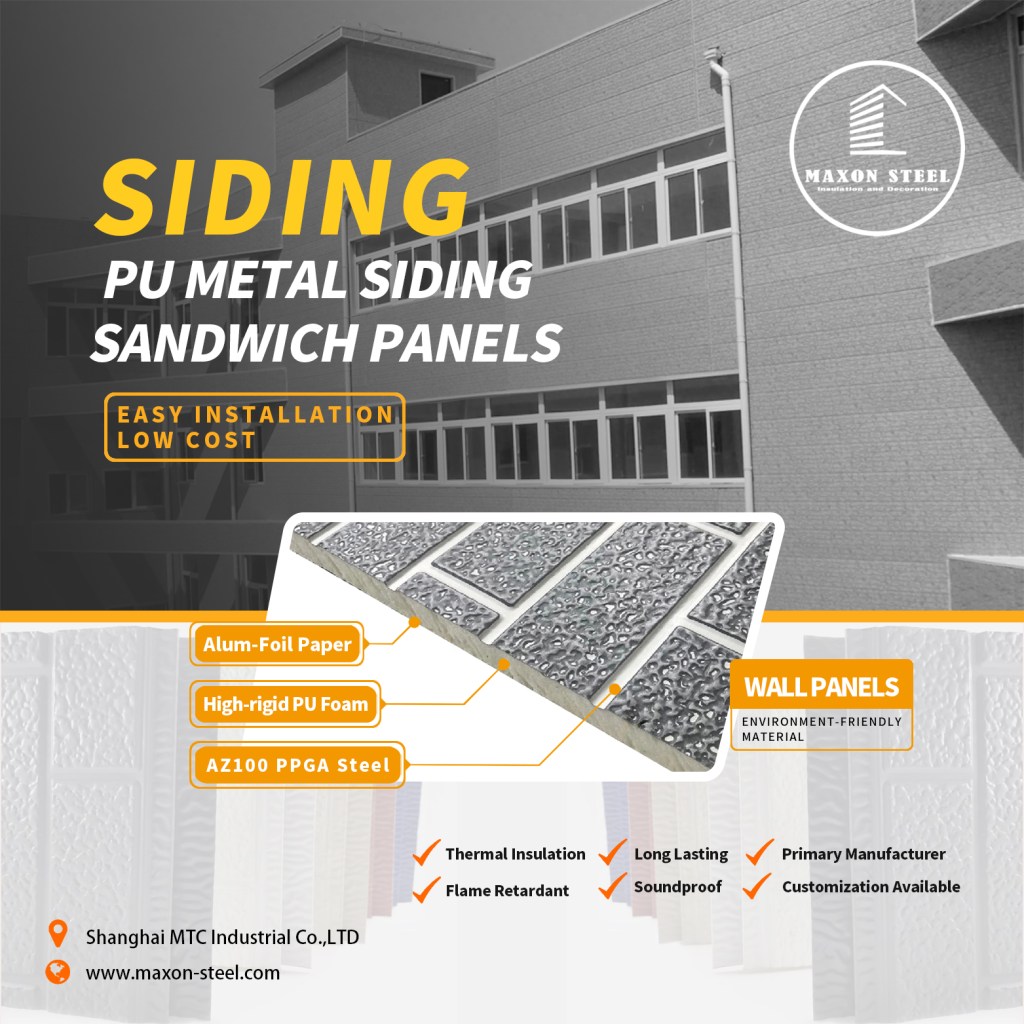
The potential ROI associated with decorative PU exterior wall sandwich panels varies across different project types, ranging from residential homes to commercial buildings and industrial facilities. Let’s explore these scenarios:
- Residential Projects: For homeowners, investing in decorative PU exterior metal siding wall panels offers not only enhanced curb appeal but also tangible financial benefits. While the initial cost may be higher compared to conventional siding options, the long-term savings in energy bills and maintenance expenses result in a favorable ROI over the lifespan of the panels. Additionally, the aesthetic appeal of these panels can increase property value, further augmenting the overall return on investment.
- Commercial Buildings: In the realm of commercial construction, where operational costs can significantly impact the bottom line, decorative PU exterior wall siding panels emerge as a cost-effective solution. The energy-efficient properties of these panels translate to lower utility bills, making them an attractive choice for businesses seeking to minimize overhead expenses. Moreover, the durability and low maintenance requirements ensure long-term savings and a favorable ROI for commercial property owners.
- Industrial Facilities: Industrial facilities often grapple with high energy consumption and maintenance costs associated with building exteriors. By opting for decorative PU exterior wall siding panels, these facilities can mitigate these challenges and achieve substantial cost savings over time. The superior insulation properties of PU sandwich panels result in reduced heating and cooling expenses, while their robust construction minimizes the need for frequent repairs, ultimately driving a positive ROI for industrial stakeholders.
In conclusion, the adoption of decorative PU Insulated Exterior Wall Siding Panels represents a strategic investment for cost-conscious developers, homeowners, and businesses alike. While the upfront costs may be higher compared to traditional siding options, the long-term savings in energy bills and maintenance expenses justify this initial expenditure. Moreover, the potential return on investment across residential, commercial, and industrial projects underscores the value proposition of these panels. By prioritizing cost efficiency and ROI, stakeholders can leverage the benefits of decorative PU exterior wall siding panels to enhance both the functionality and aesthetics of their structures, while maximizing financial returns in the process.
Specifications of Decorative PU Wall Sandwich Panels
Decorative PU wall sandwich panels represent a revolutionary approach to modern construction, combining aesthetics with practicality. These panels boast a range of specifications that make them an attractive choice for a variety of applications:
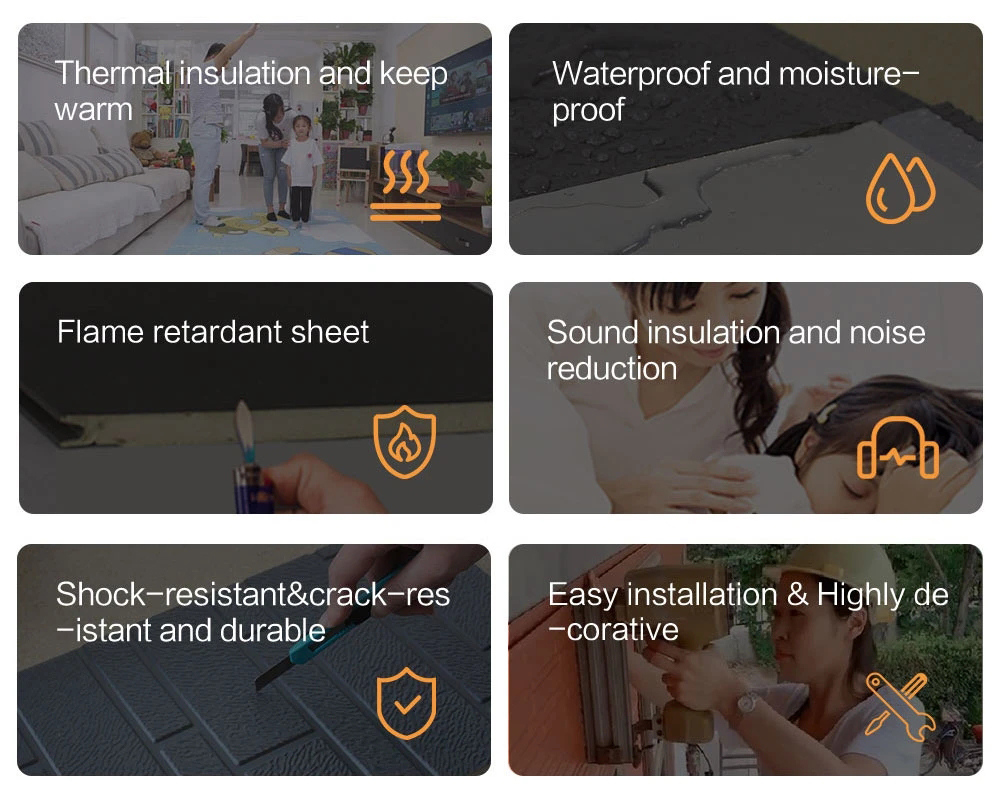
1. Core Material: At the heart of decorative PU wall sandwich panels lies a core material made of polyurethane foam. This material is prized for its exceptional thermal insulation properties, helping to maintain comfortable indoor temperatures while reducing energy consumption. Additionally, polyurethane foam provides sound insulation, minimizing noise transmission and creating quieter indoor environments.
2. Exterior Finish: The exterior surface of decorative PU wall sandwich panels is adorned with a variety of finishes, ranging from sleek metallic coatings to textured patterns and vibrant colors. This versatility allows architects and designers to achieve their desired aesthetic vision, whether it be modern and minimalist or ornate and intricate.
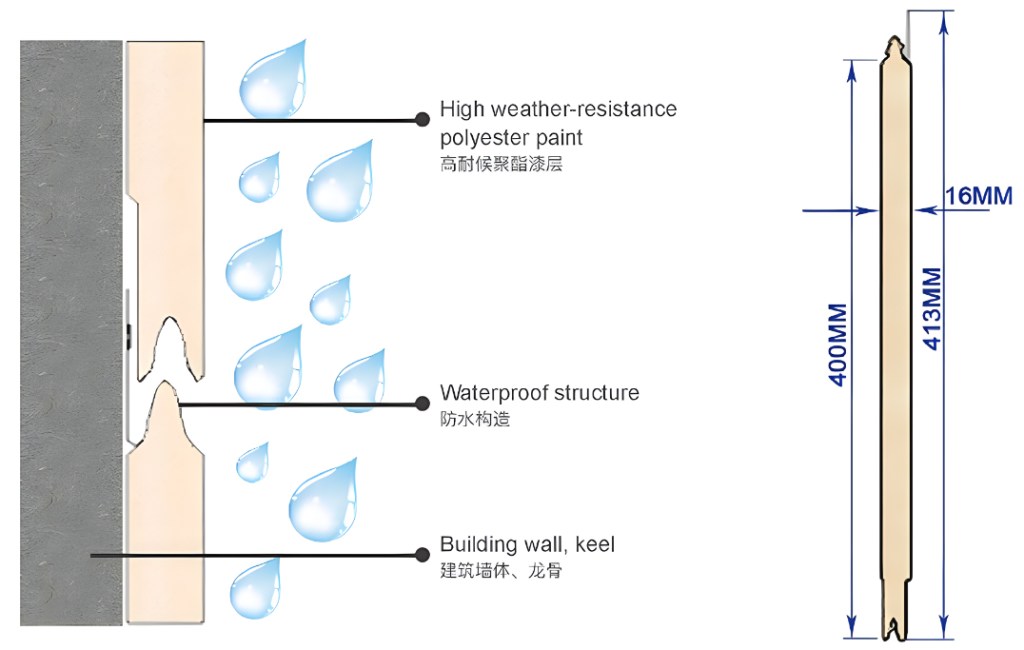
3. Panel Dimensions: Decorative PU wall sandwich panels come in a range of dimensions to suit different project requirements. Standard panel widths typically range from 383mm to 520mm, with lengths customizable to fit specific building dimensions. The thickness of the panels can vary as well, with options typically ranging from 10mm to 30mm, providing flexibility in insulation and structural performance.
4. Lightweight Construction: Despite their robust insulation properties, decorative PU wall sandwich panels are remarkably lightweight. This characteristic facilitates easy handling and installation, reducing labor costs and construction time. The lightweight nature of the panels also places less stress on building structures, making them suitable for both new construction and retrofit projects.
5. Fire Resistance and Durability: Decorative PU wall sandwich panels are engineered to meet stringent fire safety standards, ensuring the protection of occupants and assets. Additionally, these panels are highly durable, capable of withstanding environmental factors such as moisture, UV exposure, and temperature fluctuations. This durability contributes to the longevity of buildings and reduces maintenance requirements over time.
In summary, decorative PU wall sandwich panels offer a combination of thermal insulation, aesthetic appeal, ease of installation, and durability, making them a versatile choice for a wide range of construction projects across residential, commercial, and industrial sectors.