
The Beauty of PU Decorative Wall Panels
Decorative wall panels have become a popular choice for enhancing the aesthetic appeal of interior spaces. Among the various options available, PU (polyurethane) decorative wall panels stand out for their versatility, durability, and visual impact. In this comprehensive guide, we will explore the world of PU decorative wall panels, including their features, benefits, installation methods, and design possibilities.
Table of Contents
- Understanding Metal Siding Decorative Wall Panels
- Key Features and Benefits of PU Wall Siding Panel
- Installation Methods of PU Decorative Wall Panels
- Design Inspirations
Understanding Metal Siding Decorative Wall Panels
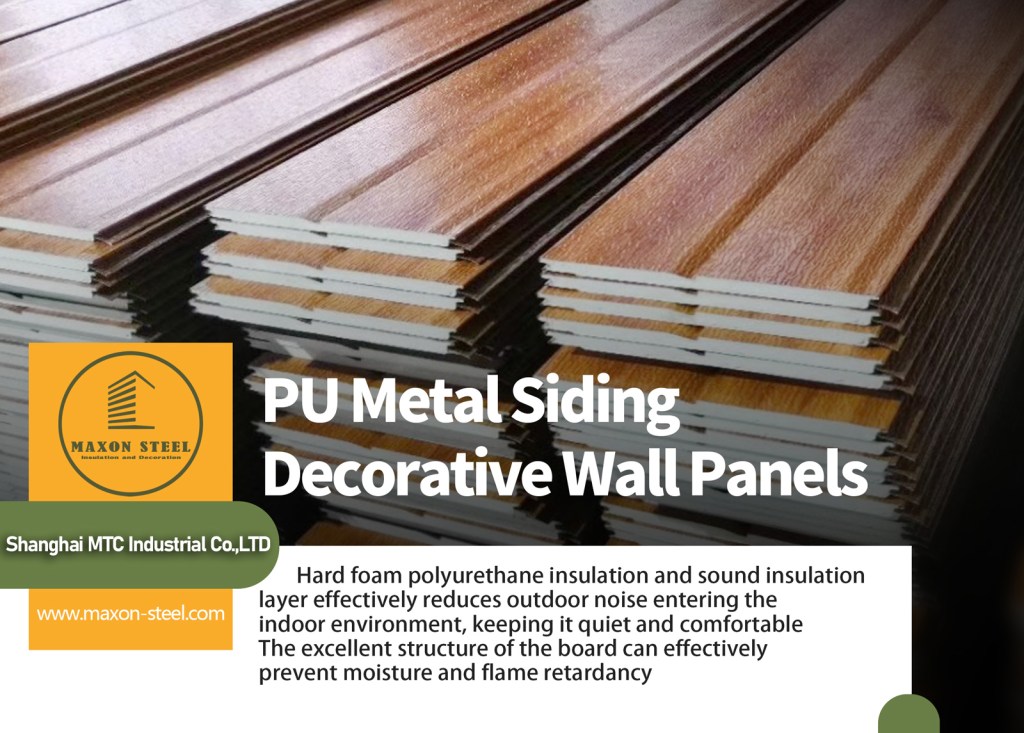
PU decorative wall panels are crafted from high-quality polyurethane material, which offers a compelling combination of lightweight construction and robustness.
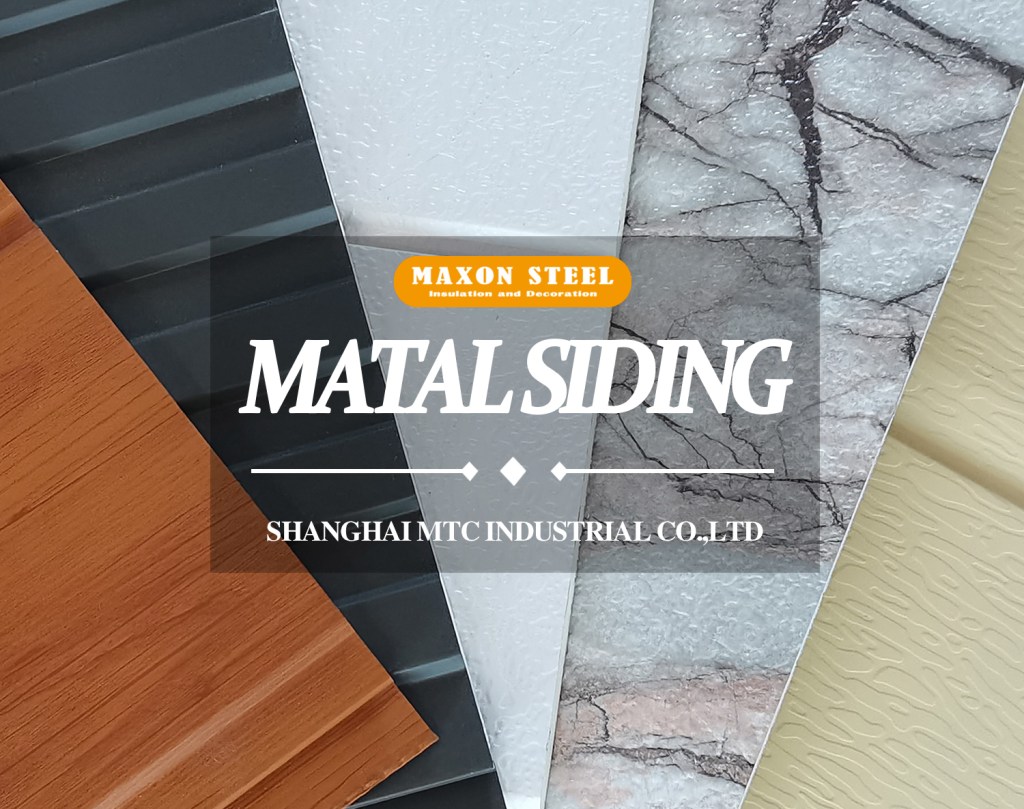
These panels are designed to mimic the look and feel of traditional materials such as wood, stone, or brick, but with added practical advantages. Whether used in residential, commercial, or even industrial settings, PU decorative wall panels can transform any space with their unique charm.
Key Features and Benefits of PU Wall Siding Panel
1. Aesthetic Appeal
PU decorative wall panels are available in a diverse range of textures, patterns, and finishes, allowing for endless design possibilities. From classic motifs to contemporary designs, these panels can effortlessly elevate the visual allure of any room.
2. Durability
Thanks to the resilient nature of polyurethane, these wall panels are resistant to wear and tear, moisture, and impact, ensuring long-lasting beauty with minimal maintenance.
3. Easy Installation
Unlike traditional wall treatments, PU decorative wall panels are lightweight and simple to install. Whether through adhesive bonding or mechanical fastening, the installation process is efficient, making it a viable option for both professional installers and avid DIY enthusiasts.
4. Versatility
Whether aiming for a rustic ambiance, an urban-inspired setting, or a minimalistic backdrop, PU decorative wall panels can adapt to diverse design themes, offering flexibility in interior styling.
5. Insulation and Soundproofing
In addition to their visual and structural benefits, PU wall panels can contribute to improved insulation and soundproofing, creating a more comfortable and acoustically satisfying environment.
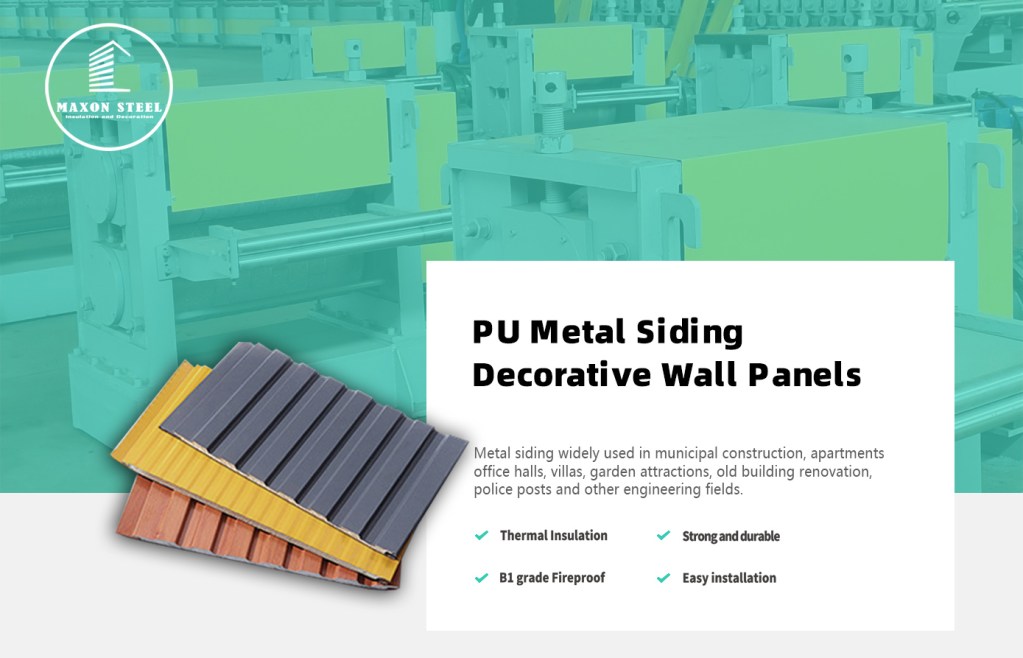
Installation Methods of PU Decorative Wall Panels
When it comes to installing PU decorative wall panels, there are several approaches to consider. The choice of method often depends on the specifics of the project and the desired outcome. Some common installation methods include:
1. Adhesive Bonding
This method involves affixing the panels to the wall surface using a strong adhesive. It is crucial to ensure proper surface preparation and adhesive selection for optimal adhesion and longevity.
2. Mechanical Fastening
Utilizing mechanical fasteners such as nails or screws is another viable option for installing PU decorative wall panels. This method offers a secure and reliable attachment, especially in areas where additional structural support may be necessary.
3. Interlocking Systems
Certain PU wall panel designs feature interlocking edges, allowing for seamless assembly without the need for visible fasteners. This approach can streamline the installation process while maintaining a clean, polished appearance.
Design Inspirations
PU decorative wall panels open up a world of creative potential for interior design. Here are some inspiring ideas for incorporating these panels into various settings:
1. Residential Spaces
- Create a captivating focal point in the living room by adorning a feature wall with intricately textured PU panels, adding depth and character to the space.
- Enhance the elegance of the bedroom by installing PU panels with a subtle embossed pattern, providing a sophisticated backdrop for the bed.
- Whether employed for their aesthetic charm, practical advantages, or a combination of both, PU decorative wall panels represent a fusion of artistry and functionality.
- Their adaptability to diverse design themes empowers homeowners to redefine their living spaces according to their unique preferences and lifestyle. With PU decorative wall panels, the only limit to residential interior design is the extent of one’s imagination.
2. Commercial Establishments
- Transform the ambiance of a restaurant or cafe by integrating PU decorative wall panels with a weathered stone look, evoking a sense of timeless charm and warmth.
- Elevate the appeal of retail spaces with sleek, modern PU panels, establishing a captivating backdrop for product displays and enhancing the overall customer experience.
3. Office Environments
- Infuse creativity into professional settings by incorporating PU panels featuring geometric designs, fostering an environment that inspires productivity and innovation.
- Utilize PU panels with wood-inspired finishes to introduce a touch of natural warmth and sophistication to conference rooms and executive offices.
PU decorative wall panels represent a fusion of artistry and practicality, offering an array of design possibilities while delivering enduring performance. Whether seeking to revitalize the ambiance of a residential space, elevate the allure of a commercial establishment, or introduce sophistication to office interiors, PU panels serve as a versatile and stylish solution. With their distinctive charm and functional benefits, PU decorative wall panels continue to captivate discerning designers and homeowners alike, standing as a testament to the enduring allure of creative interior surfaces.
Specifications of Decorative PU Wall Sandwich Panels
Decorative PU wall sandwich panels represent a revolutionary approach to modern construction, combining aesthetics with practicality. These panels boast a range of specifications that make them an attractive choice for a variety of applications:
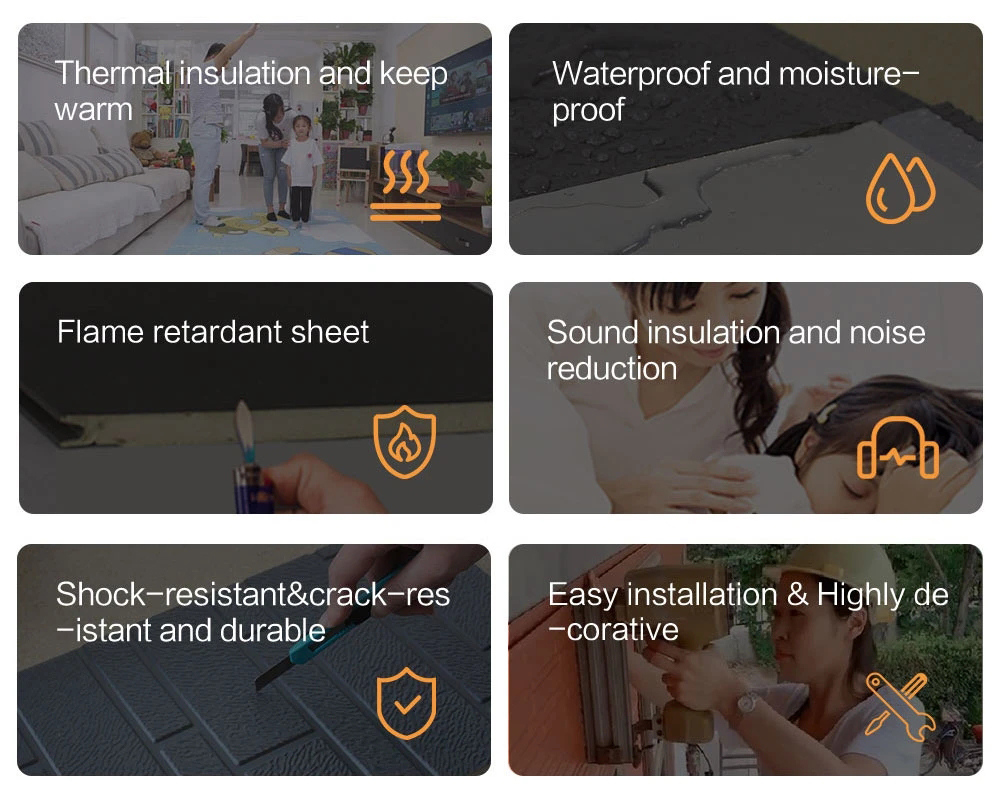
1. Core Material: At the heart of decorative PU wall sandwich panels lies a core material made of polyurethane foam. This material is prized for its exceptional thermal insulation properties, helping to maintain comfortable indoor temperatures while reducing energy consumption. Additionally, polyurethane foam provides sound insulation, minimizing noise transmission and creating quieter indoor environments.
2. Exterior Finish: The exterior surface of decorative PU wall sandwich panels is adorned with a variety of finishes, ranging from sleek metallic coatings to textured patterns and vibrant colors. This versatility allows architects and designers to achieve their desired aesthetic vision, whether it be modern and minimalist or ornate and intricate.
3. Panel Dimensions: Decorative PU wall sandwich panels come in a range of dimensions to suit different project requirements. Standard panel widths typically range from 383mm to 520mm, with lengths customizable to fit specific building dimensions. The thickness of the panels can vary as well, with options typically ranging from 10mm to 30mm, providing flexibility in insulation and structural performance.
4. Lightweight Construction: Despite their robust insulation properties, decorative PU wall sandwich panels are remarkably lightweight. This characteristic facilitates easy handling and installation, reducing labor costs and construction time. The lightweight nature of the panels also places less stress on building structures, making them suitable for both new construction and retrofit projects.
5. Fire Resistance and Durability: Decorative PU wall sandwich panels are engineered to meet stringent fire safety standards, ensuring the protection of occupants and assets. Additionally, these panels are highly durable, capable of withstanding environmental factors such as moisture, UV exposure, and temperature fluctuations. This durability contributes to the longevity of buildings and reduces maintenance requirements over time.
In summary, decorative PU wall sandwich panels offer a combination of thermal insulation, aesthetic appeal, ease of installation, and durability, making them a versatile choice for a wide range of construction projects across residential, commercial, and industrial sectors.