

Why Choose PU Foam Decorative Siding Panels: A Comprehensive Guide
PU Foam decorative siding panels have become increasingly popular in interior design and architecture due to their aesthetic appeal, durability, and versatility. When it comes to enhancing the performance of these panels, integrating polyurethane (PU) foam insulation offers numerous benefits. In this article, we’ll delve into what decorative metal wall panels are, why insulating them with PU foam is advantageous, the benefits of PU foam decorative wall panels, and whether it’s challenging to install these panels.

Table of Contents
What is Decorative Metal Wall Panel?
Decorative metal wall panels are architectural elements made from metal sheets that are designed to enhance the appearance and functionality of interior and exterior spaces. These panels come in a variety of styles, patterns, and finishes, ranging from sleek and modern to rustic and industrial. Common metals used for decorative wall panels include aluminum, steel, copper, and zinc. They can be used in residential, commercial, and industrial settings to add visual interest, texture, and character to walls, ceilings, and facades.
Why PU Foam Insulated in Decorative Metal Siding Wall Panels?
Integrating PU foam insulation into decorative metal wall panels offers several advantages:
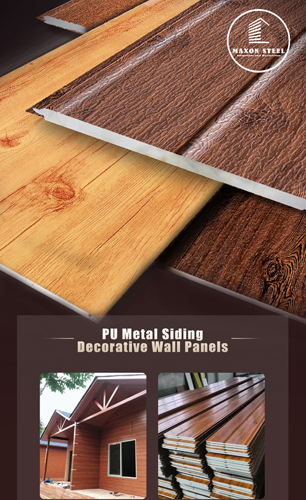
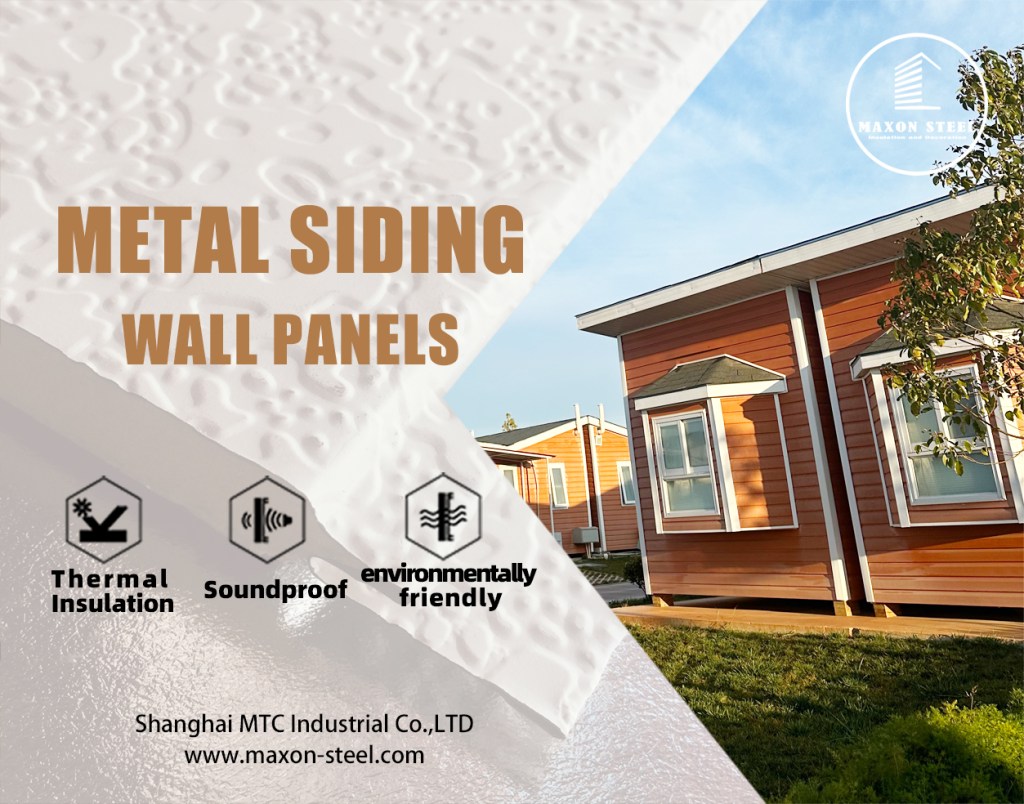
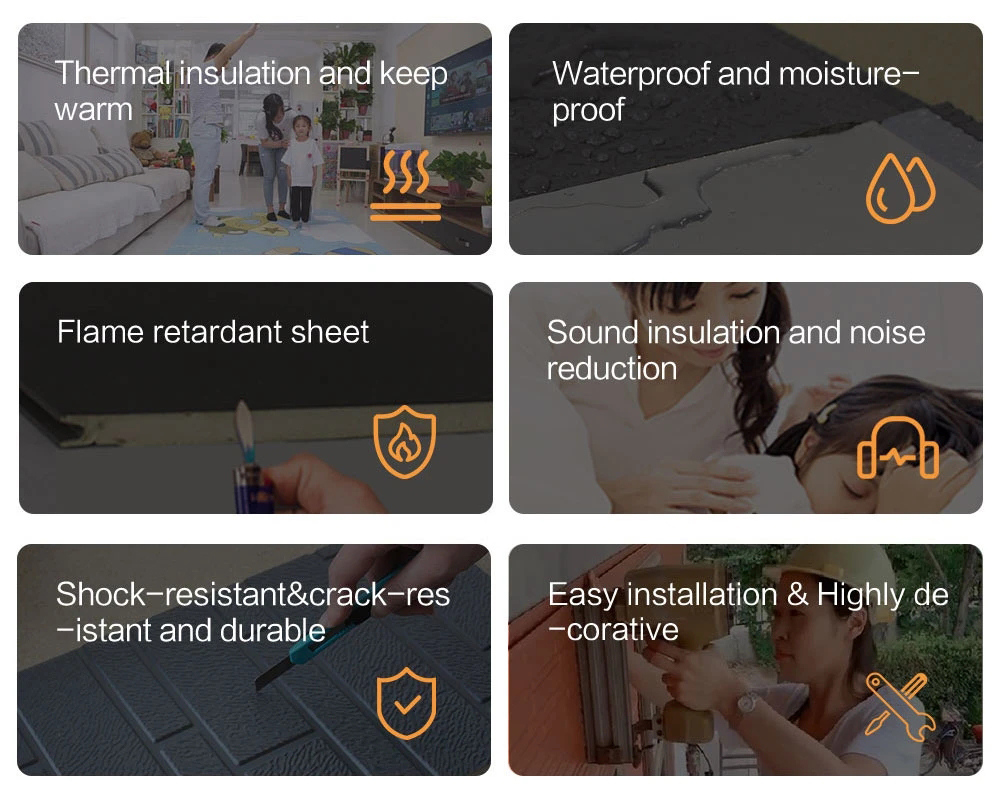
- Thermal Insulation: PU foam provides excellent thermal insulation properties, helping to regulate indoor temperatures and reduce energy consumption. By minimizing heat transfer through walls, PU foam insulation can contribute to a more comfortable and energy-efficient interior environment.
- Sound Absorption: In addition to thermal insulation, PU foam insulation also offers acoustic benefits by absorbing sound and reducing noise transmission between rooms. This is particularly beneficial in commercial and residential settings where noise control is important for occupant comfort and privacy.
- Structural Stability: Insulating decorative metal wall panels with PU foam can enhance their structural stability and durability. The foam acts as a reinforcement, strengthening the panels and providing additional support against impacts and external forces.
- Moisture Resistance: PU foam insulation is resistant to moisture and helps prevent condensation buildup within wall cavities. This can help protect the metal panels from corrosion and prolong their lifespan, especially in humid or coastal environments.
- Energy Efficiency: By improving thermal insulation, PU foam can help reduce heating and cooling costs, leading to long-term energy savings for building owners and occupants.
What are Benefits of PU Foam Decorative Siding Panel?
PU foam decorative wall panels offer a wide range of benefits:
- Aesthetic Appeal: PU foam decorative wall panels come in various designs, textures, and finishes, allowing for endless customization options to suit different design preferences and architectural styles. Whether you prefer the look of stone, wood, or metallic finishes, there’s a PU foam panel to enhance any interior or exterior space.
- Insulation Efficiency: The integration of PU foam insulation enhances the thermal performance of decorative metal wall panels, making them more energy-efficient and comfortable year-round. This can lead to reduced heating and cooling costs and a smaller ca
- Durability: PU foam decorative wall panels are engineered for durability and longevity. The combination of metal outer layers and PU foam insulation creates a robust and weather-resistant barrier that can withstand harsh environmental conditions, including moisture, UV exposure, and temperature fluctuations.
- Easy Maintenance: PU foam decorative metal siding panels are low-maintenance and easy to clean, making them ideal for busy commercial spaces and residential areas. Routine maintenance typically involves wiping the panels with a damp cloth or mild detergent to remove dust and debris.
- Installation Versatility: Despite their advanced features, PU foam decorative wall panels are relatively easy to install, whether for new construction or renovation projects. They can be mounted directly onto existing walls or framing using adhesive, screws, or other fastening methods, saving time and labor costs.
Are these PU foam decorative metal siding wall panels difficult to install?
While the installation of PU foam decorative metal siding wall panels may require some basic carpentry skills and tools, it is generally straightforward and can be completed by DIY enthusiasts or professional contractors. The process typically involves measuring and cutting the panels to size, preparing the wall surface, applying adhesive or fasteners, and securing the panels in place. Manufacturers often provide detailed installation instructions and guidelines to ensure a successful and efficient installation process.
PU foam decorative metal siding wall panels offer a winning combination of aesthetic appeal, insulation efficiency, durability, and ease of installation. By integrating PU foam insulation into decorative metal panels, building owners and designers can create visually stunning spaces that are also energy-efficient, comfortable, and structurally sound. Whether for residential, commercial, or industrial applications, PU foam decorative wall panels provide a versatile and cost-effective solution for enhancing interior and exterior environments.
Specifications of Decorative PU Wall Sandwich Panels
Decorative PU wall sandwich panels represent a revolutionary approach to modern construction, combining aesthetics with practicality. These panels boast a range of specifications that make them an attractive choice for a variety of applications:
1. Core Material: At the heart of decorative PU wall sandwich panels lies a core material made of polyurethane foam. This material is prized for its exceptional thermal insulation properties, helping to maintain comfortable indoor temperatures while reducing energy consumption. Additionally, polyurethane foam provides sound insulation, minimizing noise transmission and creating quieter indoor environments.
2. Exterior Finish: The exterior surface of decorative PU wall sandwich panels is adorned with a variety of finishes, ranging from sleek metallic coatings to textured patterns and vibrant colors. This versatility allows architects and designers to achieve their desired aesthetic vision, whether it be modern and minimalist or ornate and intricate.
3. Panel Dimensions: Decorative PU wall sandwich panels come in a range of dimensions to suit different project requirements. Standard panel widths are 383mm and 450mm, with lengths customizable to fit specific building dimensions. The thickness of the panels can vary as well, with options typically ranging from 10mm to 25mm, providing flexibility in insulation and structural performance.
4. Lightweight Construction: Despite their robust insulation properties, decorative PU wall sandwich panels are remarkably lightweight. This characteristic facilitates easy handling and installation, reducing labor costs and construction time. The lightweight nature of the panels also places less stress on building structures, making them suitable for both new construction and retrofit projects.
5. Fire Resistance and Durability: Decorative PU wall sandwich panels are engineered to meet stringent fire safety standards, ensuring the protection of occupants and assets. Additionally, these panels are highly durable, capable of withstanding environmental factors such as moisture, UV exposure, and temperature fluctuations. This durability contributes to the longevity of buildings and reduces maintenance requirements over time.
In summary, decorative PU wall sandwich panels offer a combination of thermal insulation, aesthetic appeal, ease of installation, and durability, making them a versatile choice for a wide range of construction projects across residential, commercial, and industrial sectors.