

What Are the Advantages of PU Insulated and Decorative Wall Panels?
When it comes to modern building design, energy efficiency, aesthetic appeal, and durability are among the top priorities. That’s why PU insulated and decorative wall panels have become a popular choice for architects, contractors, and homeowners alike. Combining superior thermal performance with stylish designs, these panels provide an ideal solution for a variety of buildings. This article will explain what these panels are, their materials and specifications, typical applications, and the key advantages they offer.
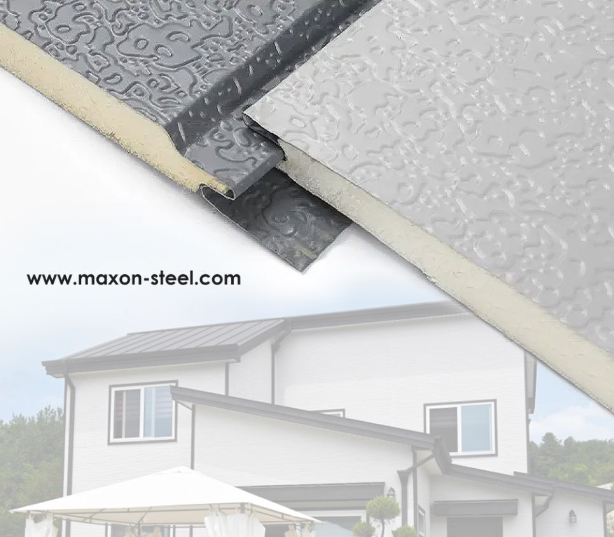
PU metal siding panels are engineered cladding systems designed to insulate buildings while enhancing their visual appeal. They are manufactured by sandwiching a rigid polyurethane (PU) foam core between two metal sheets, which are pre-finished in a wide variety of colors and textures. The result is a panel that combines functionality, durability, and style — ideal for creating energy-efficient, modern facades.
These thermal metal siding panels are increasingly used in projects that prioritize both performance and design. They have been successfully applied in homes, offices, warehouses, retail spaces, schools, and healthcare facilities around the world.
Table of Contents
Materials and Structure
Decorative metal pu wall sandwich panels are made from premium materials chosen for their specific properties:
- Core: The core material is rigid polyurethane foam with low thermal conductivity, ensuring high insulation performance and lightweight construction.
- Facings: Surface side is clad with metal sheets, usually galvalum color steel.These are pre-painted or embossed to create decorative effects and provide protection. Back side is aluminum foil paper.
- Protective Coatings: The outer layers are finished with coatings such as polyester, PVDF, or SMP, which are resistant to UV radiation, corrosion, and weather damage.
Standard Specifications
These panels are produced in standardized dimensions to fit diverse architectural needs:
- Thickness: 10mm,14mm,16mm, 20mm, 25mm for high insulation demands
- Standard width: 383mm or 400mm (Exterior wall), 435mm interior wall, 450mm ceiling
- Length: Custom lengths based on project requirements
- Thermal conductivity: Typically between 0.018–0.024 W/m·K
Such specifications make the panels adaptable to various climates and building types.
Applications
The versatility of PU insulated and decorative wall panels allows them to be used in a wide range of applications, including:
- Residential housing: Modern homes and apartment buildings often feature these panels for their ability to improve energy efficiency and elevate exterior design.
- Commercial properties: Office buildings, shopping malls, restaurants, and showrooms benefit from the decorative finishes and long-lasting performance.
- Industrial facilities: Factories, warehouses, and logistic centers choose them for their insulation properties and ease of installation.
- Institutional buildings: Schools, hospitals, and government buildings use them to meet strict energy and maintenance standards.
These panels can be installed as exterior wall cladding or as internal partitions, offering architects flexibility in creating visually appealing and energy-efficient spaces.
Advantages
PU insulated decorative metal siding panels deliver a range of benefits that set them apart from traditional materials:
Excellent Thermal Insulation
The rigid PU core provides superior thermal resistance, helping maintain comfortable indoor temperatures throughout the year. By reducing heat transfer, the panels lower the energy demand for heating and cooling systems, contributing to significant savings over time.
Energy Efficiency
Buildings clad with these PU metal siding panels consume less energy, which not only lowers utility costs but also reduces environmental impact. They help projects comply with increasingly stringent energy codes and support sustainability certifications.
Aesthetic Appeal
Available in a wide selection of colors, finishes, and textures, these panels enhance the visual character of buildings. The metal surfaces of the exterior decorative wall cladding can be smooth, embossed, woodgrain-patterned, or stone-textured to complement diverse architectural styles.
Lightweight Yet Strong
Despite their strength, these panels are lightweight, making them easy to handle and install. The interlocking edges ensure a tight fit, reducing construction time and improving the integrity of the wall system.
Fire Safety
Many PU insulated and decorative wall panels are manufactured to meet fire safety standards. The combination of fire-retardant core materials and protective metal layers enhances the safety profile of the building.
Durability and Weather Resistance
The metal skins, along with their protective coatings, shield the panels from rain, wind, UV rays, and pollutants. They resist corrosion and maintain their performance even in challenging environments, including coastal or industrial areas.
Low Maintenance
Once installed, the panels require very little upkeep. They do not warp, crack, or rot over time, and their finishes remain intact for years, reducing maintenance costs.
Cost-Effectiveness
Although the initial investment may be higher than some traditional siding materials, the long service life, energy savings, and low maintenance make PU insulated wall panels a cost-efficient choice in the long run.
Environmental Benefits

Beyond performance and aesthetics, PU insulated and decorative wall panels also contribute to environmental sustainability — an increasingly important factor in modern construction.
The thermal metal siding panels improve the energy efficiency of buildings, which directly reduces greenhouse gas emissions from heating and cooling systems. The rigid polyurethane core is manufactured with environmentally conscious processes, and the metal skins are recyclable at the end of the building’s life. Furthermore, the reduced energy use helps buildings qualify for green certifications, such as LEED, which is attractive to environmentally conscious owners and tenants.
By choosing these decorative exterior insulation panels, developers and building owners can demonstrate a commitment to sustainability while enjoying the operational and financial benefits that come with an energy-efficient, durable envelope system.
Why Choose PU Insulated and Decorative Wall Panels?
Modern buildings demand materials that go beyond basic functionality. PU insulated and decorative wall panels meet these demands by offering insulation, strength, and design flexibility in one product. Whether used on homes, offices, factories, or public buildings, these panels improve building performance, enhance curb appeal, and contribute to sustainability.
They are particularly suited to projects that require fast installation, superior insulation, and an attractive exterior finish. Their ability to meet multiple objectives makes them a smart and future-ready solution for contemporary construction.
In addition, we can provide high-quality aluminum PU roof panels. Contact us today to learn more!
Highlights: Heat Insulation, Soundproof, Fire-retardant, Eco-friendly, Energy-saving
Specifications of Decorative PU Wall Sandwich Panels
Decorative PU wall sandwich panels represent a revolutionary approach to modern construction, combining aesthetics with practicality. These panels boast a range of specifications that make them an attractive choice for a variety of applications:
1. Core Material: At the heart of decorative PU wall sandwich panels lies a core material made of polyurethane foam. This material is prized for its exceptional thermal insulation properties, helping to maintain comfortable indoor temperatures while reducing energy consumption. Additionally, polyurethane foam provides sound insulation, minimizing noise transmission and creating quieter indoor environments.
2. Exterior Finish: The exterior surface of decorative metal siding panels is adorned with a variety of finishes, ranging from sleek metallic coatings to textured patterns and vibrant colors. This versatility allows architects and designers to achieve their desired aesthetic vision, whether it be modern and minimalist or ornate and intricate.
3. Panel Dimensions: Decorative PU wall sandwich panels come in a range of dimensions to suit different project requirements. Standard panel widths are 383mm and 400mm, with lengths customizable to fit specific building dimensions. The thickness of the panels can vary as well, with options typically ranging from 10mm to 25mm, providing flexibility in insulation and structural performance.
4. Lightweight Construction: Despite their robust insulation properties, decorative PU wall sandwich panels are remarkably lightweight. This characteristic facilitates easy handling and installation, reducing labor costs and construction time. The lightweight nature of the panels also places less stress on building structures, making them suitable for both new construction and retrofit projects.
5. Fire Resistance and Durability: Decorative PU wall sandwich panels are engineered to meet stringent fire safety standards, ensuring the protection of occupants and assets. Additionally, these panels are highly durable, capable of withstanding environmental factors such as moisture, UV exposure, and temperature fluctuations. This durability contributes to the longevity of buildings and reduces maintenance requirements over time.
In summary, decorative PU wall sandwich panels offer a combination of thermal insulation, aesthetic appeal, ease of installation, and durability, making them a versatile choice for a wide range of construction projects across residential, commercial, and industrial sectors.