

Thermal Metal Siding vs. Wall Cladding – Innovative Solutions in Modern Building Exteriors
In today’s evolving construction landscape, building exteriors play a crucial role not only in aesthetic appeal but also in energy efficiency and durability. As the market becomes increasingly competitive, our company is proud to introduce our advanced siding product—a true game-changer in the realm of exterior cladding, known as IND facade panel as well. Today let’s explore the key differences between the metal wall panel and siding system, with a detailed focus on our product’s unique features and benefits.
Table of Contents
Understanding Thermal Metal Siding and Wall Cladding
At first glance, the terms siding and cladding might seem interchangeable. However, there are subtle yet significant differences between them. Wall cladding panel generally refers to any material that is applied over the structural wall of a building to provide both protective and decorative functions. This can include a wide variety of materials, such as wood, stone, composite panels, and metal. Metal siding, on the other hand, is a specific type of wall cladding made from metal panels engineered to deliver superior performance in terms of insulation, weather resistance, and design flexibility.
Our specialized metal siding panels have been meticulously designed to cater to modern architectural needs, integrating both functionality and aesthetics. They fall under several important categories—PU metal siding, decorative metal siding, and heat insulation siding panel or thermal metal siding —each highlighting a unique aspect of our product.
Product Specifications: Precision Engineered for Excellence
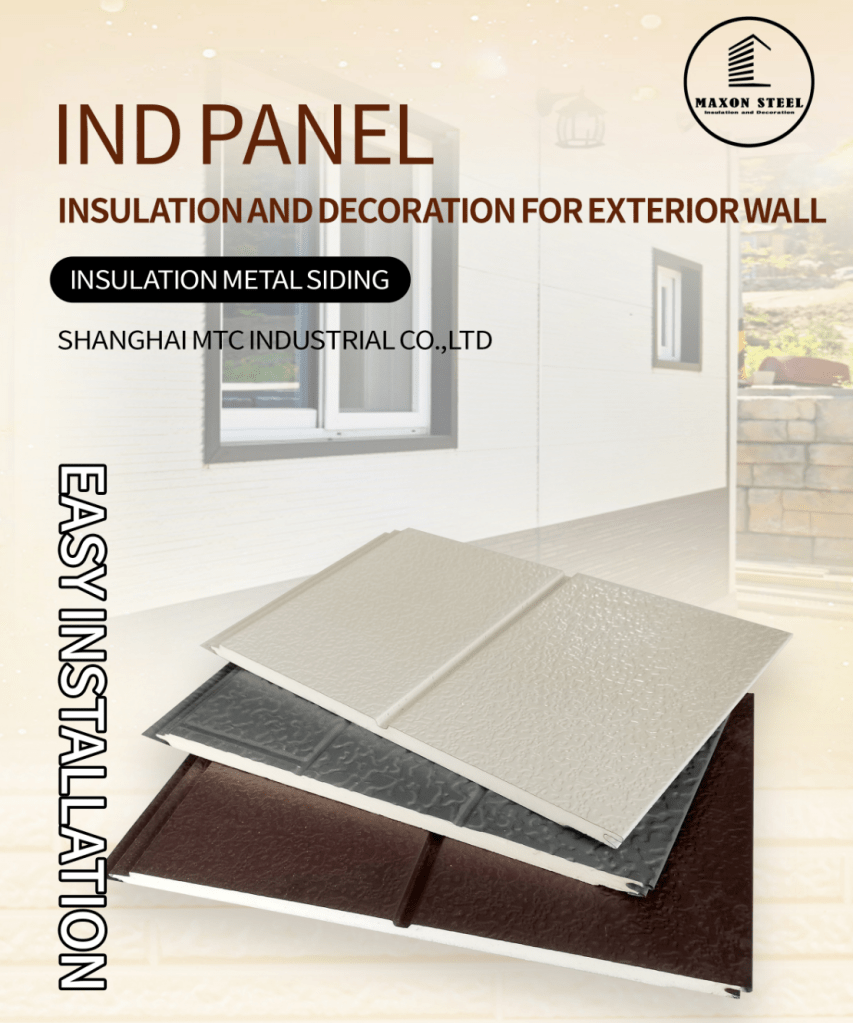
Our metal siding panels measure 400mm in width and are 16mm thick. This precision in design ensures that each panel delivers consistent performance across projects. The heart of our product lies in the advanced manufacturing process that includes a direct foaming process for the central PU (polyurethane) roll. This technique not only reinforces the structural integrity of the panel but also significantly enhances its thermal insulation properties.
- Core Structure: The middle layer is comprised of a high-quality PU foam that is directly foamed into a continuous roll. This not only contributes to superior insulation but also aids in soundproofing—a feature increasingly in demand in urban construction environments.
- Decorative Surface: The external face of the panel is an embossed decorative finish crafted from aluminum-zinc coated color steel. This not only adds a refined aesthetic appeal but also provides excellent corrosion resistance and durability.
- Protective Backing: The back of the panel features a waterproof and moisture-proof aluminum foil paper. This layer is essential in protecting the panel from the damaging effects of humidity and water penetration, thereby extending its lifespan.
These state-of-the-art features position our product firmly in the categories of decorative metal siding and heat insulation metal siding, offering a blend of aesthetic appeal and practical benefits that meet the needs of modern construction.
Key Differentiators and Benefits
1. Superior Insulation and Energy Efficiency
One of the standout features of our metal siding is its enhanced thermal insulation. The integration of the PU foam core creates a formidable barrier against temperature fluctuations, ensuring that buildings remain cooler in the summer and warmer in the winter. This property not only contributes to a comfortable indoor environment but also helps in reducing energy consumption—a significant advantage in today’s eco-conscious market. In contrast, many traditional wall cladding solutions may offer some level of insulation, but they rarely match the efficiency of our heat insulation metal siding.
2. Durability and Weather Resistance
Weathering the elements is a critical challenge in construction, and our metal siding is engineered to excel in this area. The embossed decorative aluminum-zinc coated color steel provides a robust outer layer that is resistant to rust, corrosion, and the abrasive effects of harsh weather conditions. Meanwhile, the waterproof and moisture-proof aluminum foil backing prevents moisture ingress, thereby reducing the risk of structural damage over time. This level of protection is particularly advantageous when compared to conventional cladding materials, which might require more frequent maintenance or replacement.
3. Aesthetic Versatility

Modern architectural design increasingly demands materials that are not only functional but also visually striking. Our decorative metal siding panels offer a clean, contemporary look that can be adapted to a variety of design styles. Whether it’s for a commercial complex, a modern residence, or an industrial facility, the sleek appearance of our metal siding system lends a distinctive edge. Moreover, the embossed decorative finish can mimic a range of textures and patterns, giving designers the creative flexibility to match the exterior with the overall design theme.
4. Easy and Efficient Installation
Efficiency in construction is as much about the ease of installation as it is about material performance. Our metal siding is designed with a unique male-female slot self-locking buckle system, which simplifies the installation process. This metal wall panel and siding system allows for quick and secure attachment of the panels directly to the wall using self-tapping screws. However, it is important to note that while our siding offers many advantages, it is not intended to be used as a load-bearing wall. Instead, it must be installed on an existing structural framework—such as a frame or steel structure—to ensure overall stability and support.
Application Scenarios and Use Cases

The versatility of our metal siding opens up numerous application possibilities across residential, commercial, and industrial sectors:
- Residential Projects: Homeowners looking for energy-efficient and low-maintenance exteriors will find our PU metal siding particularly appealing. It not only enhances curb appeal but also contributes to a comfortable living environment with its superior insulation properties.
- Commercial Complexes: In commercial settings, durability and aesthetics are key. Our decorative metal siding provides a modern and professional appearance while withstanding the rigors of high-traffic urban environments.
- Industrial Installations: Industrial buildings require robust materials that can endure harsh conditions. The resilience of our metal siding, combined with its protective coatings, makes it an ideal choice for factories, warehouses, and other industrial applications.
- Retrofit and Renovation Projects: For older buildings in need of an upgrade, our metal siding offers a practical solution that can be installed over existing walls. This makes it an excellent choice for renovations where improved insulation and a modern look are desired without the need for extensive structural changes.
The Engineering Behind Our Metal Siding
The design and production of our metal siding are the results of extensive research and development. Our engineering team has worked meticulously to balance aesthetics, performance, and ease of installation. Here’s a closer look at the innovative engineering behind our product:
- Advanced Foaming Process: The direct foaming of the PU roll ensures a consistent and robust insulation layer. This process minimizes thermal bridging—a common issue in many traditional cladding systems.
- Precision Embossing: The decorative surface is not just about looks; the embossing process also adds rigidity and strength to the panel, which helps in resisting dents and impacts.
- Integrated Installation Mechanism: The male-female slot self-locking buckle system is a result of iterative design improvements. This mechanism allows for a secure and stable installation, reducing installation time and labor costs significantly.
Considerations When Choosing Metal Cladding Solutions
While our metal siding offers numerous advantages, it is essential for architects, builders, and contractors to evaluate their specific project requirements when choosing between metal siding and other wall cladding options. Here are some key considerations:
- Structural Support: Our metal siding is designed to be applied to an existing load-bearing structure. Projects that require the cladding to serve as a structural element might need alternative solutions.
- Environmental Conditions: For projects in areas with extreme weather conditions, the superior insulation and weather resistance of our product make it a compelling choice.
- Aesthetic Requirements: With the increasing demand for modern, sleek exteriors, the aesthetic flexibility of our decorative metal siding panels provides a competitive edge.
- Maintenance and Longevity: The low-maintenance nature of our metal siding, owing to its corrosion-resistant properties and protective backing, ensures long-term durability and cost savings over time.
A Commitment to Quality and Innovation
At our company, quality is not just a promise—it’s a commitment. We continually invest in research and development to ensure that our products remain at the forefront of innovation. Our metal siding is a testament to this dedication, combining advanced materials technology with practical design to offer a product that meets the rigorous demands of modern construction.
By choosing our metal siding, clients are not only investing in a product that elevates the appearance of their building but also in a solution that enhances energy efficiency, reduces maintenance costs, and offers exceptional durability. The benefits of our metal siding extend beyond simple aesthetics—they represent a holistic approach to building design and sustainability.
Conclusion
In summary, while wall cladding encompasses a broad range of materials and methods for covering building exteriors, our specialized thermal insulation board siding stand out due to their innovative design, superior insulation, and ease of installation. Whether it is categorized as PU metal siding, decorative metal siding, or heat insulation metal siding, our product delivers on all fronts. Its 400mm width, 16mm thickness, integrated PU foam core, embossed decorative aluminum-zinc coated surface, and waterproof backing collectively create a solution that is as functional as it is visually appealing.
We invite you to explore the potential of our metal siding for your next project. By integrating our product with your existing structures—be it a residential home, commercial building, or industrial facility—you can achieve a modern, energy-efficient, and durable exterior that truly stands the test of time.
Thank you for taking the time to read our newsletter. Stay tuned for more updates on cutting-edge building materials and the latest trends in construction technology.
Specifications of Decorative PU Wall Sandwich Panels
Decorative PU wall sandwich panels represent a revolutionary approach to modern construction, combining aesthetics with practicality. These panels boast a range of specifications that make them an attractive choice for a variety of applications:
1. Core Material: At the heart of decorative PU wall sandwich panels lies a core material made of polyurethane foam. This material is prized for its exceptional thermal insulation properties, helping to maintain comfortable indoor temperatures while reducing energy consumption. Additionally, polyurethane foam provides sound insulation, minimizing noise transmission and creating quieter indoor environments.
2. Exterior Finish: The exterior surface of decorative metal siding panels is adorned with a variety of finishes, ranging from sleek metallic coatings to textured patterns and vibrant colors. This versatility allows architects and designers to achieve their desired aesthetic vision, whether it be modern and minimalist or ornate and intricate.
3. Panel Dimensions: Decorative PU wall sandwich panels come in a range of dimensions to suit different project requirements. Standard panel widths are 383mm and 400mm, with lengths customizable to fit specific building dimensions. The thickness of the panels can vary as well, with options typically ranging from 10mm to 25mm, providing flexibility in insulation and structural performance.
4. Lightweight Construction: Despite their robust insulation properties, decorative PU wall sandwich panels are remarkably lightweight. This characteristic facilitates easy handling and installation, reducing labor costs and construction time. The lightweight nature of the panels also places less stress on building structures, making them suitable for both new construction and retrofit projects.
5. Fire Resistance and Durability: Decorative PU wall sandwich panels are engineered to meet stringent fire safety standards, ensuring the protection of occupants and assets. Additionally, these panels are highly durable, capable of withstanding environmental factors such as moisture, UV exposure, and temperature fluctuations. This durability contributes to the longevity of buildings and reduces maintenance requirements over time.
In summary, decorative PU wall sandwich panels offer a combination of thermal insulation, aesthetic appeal, ease of installation, and durability, making them a versatile choice for a wide range of construction projects across residential, commercial, and industrial sectors.